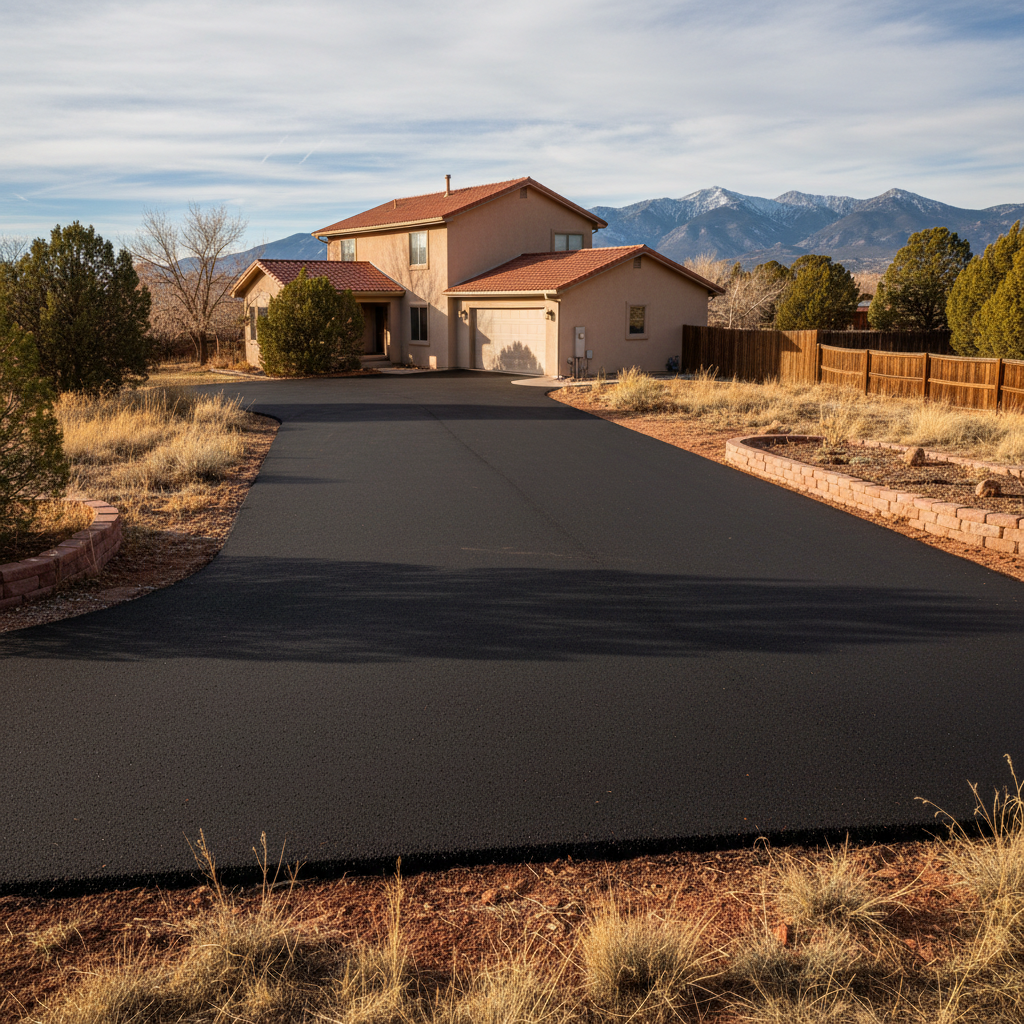
You've got a commercial property here in Pueblo, and you're thinking about your asphalt. Good. It's a big investment, and protecting it means understanding our local climate. I've seen a lot of asphalt come and go in this town, and I can tell you, timing is everything when it comes to paving and maintenance.
When's the Best Time for Asphalt Work in Pueblo?
Let's cut right to it: spring and fall are your sweet spots. Why? Because asphalt needs specific conditions to cure properly and last. It's all about temperature.
When it's too cold, the asphalt mix cools down too fast. This means it doesn't compact as well, and you end up with a weaker, less durable surface. Think of it like trying to spread cold butter – it just doesn't work right. We're talking about daytime temperatures consistently above 50 degrees Fahrenheit, and ideally, not dipping too far below that at night for a few days after the pour.
On the flip side, when it's too hot, like those scorching Pueblo summer days we get, especially in July and August, that's also a problem. The asphalt can stay too soft for too long, making it prone to rutting or damage during the paving process itself. Plus, the crew's out there working in extreme heat, which isn't ideal for anyone. It's not impossible to pave in the summer, but you need an experienced crew who knows how to handle it, adjusting the mix and working fast.
So, spring (April, May, early June) and fall (late September, October) are usually perfect. The ground temperatures are stable, the air is warm but not blistering, and the asphalt has the best chance to set up strong and durable. If you're planning a major project, that's when you want to get on the schedule.
Weather Conditions That Mess With Asphalt
Beyond just temperature, a few other weather conditions can really throw a wrench into asphalt work. You've got to be aware of them.
- Rain: This is a big one. You simply cannot pave or sealcoat in the rain. Water prevents the asphalt from bonding properly, and it can ruin the mix. If there's a chance of rain, we'll have to reschedule. It's not worth compromising the quality of your new pavement.
- Wind: Pueblo gets windy, we all know that. High winds can be a problem, especially for sealcoating. It can cause the sealant to dry too quickly, leading to an uneven finish, or it can blow debris onto the fresh surface. For paving, it's less of an issue, but still something to consider.
- Frost/Frozen Ground: This goes back to temperature, but it's worth highlighting. If the ground is frozen, you can't pave. Period. The sub-base needs to be stable and unfrozen for proper compaction and drainage. This is why winter paving is generally a no-go here.
When you call Pueblo Asphalt Solutions for a quote, we're not just looking at the size of your lot; we're also thinking about the forecast and the best window to get the job done right.
Protecting Your Investment Year-Round
Okay, so you've got your beautiful new or repaired asphalt. Now what? You've got to protect it. Our climate here in Pueblo, with those intense sunny days, freezing nights, and occasional heavy snow, can be tough on pavement.
- Sealcoating: This is your first line of defense. Think of it like sunscreen for your asphalt. It protects against UV rays, water penetration, and oxidation. I recommend sealcoating every 2-3 years for commercial properties, depending on traffic and wear. It's a small investment that pays off big time in extending the life of your pavement.
- Crack Filling: Don't ignore those cracks! Even small ones. Water gets in, freezes, expands, and turns those small cracks into big potholes. Get them filled promptly. It's much cheaper to fill a crack than to repair a pothole or replace a section of pavement.
- Drainage: Make sure your drainage is working. Standing water is the enemy of asphalt. If you have areas where water collects, it'll degrade the surface faster and can lead to sub-base issues. This is especially true with our clay soils around Pueblo – water sitting on top will eventually find its way down and cause problems.
- Regular Cleaning: Keep your lot clean. Debris, oil spills, and chemicals can all break down your asphalt over time. A regular sweep and quick cleanup of spills goes a long way.
Taking a proactive approach to maintenance, especially with our wild weather swings, will save you a ton of money in the long run. Don't wait until you have a major problem; stay on top of it, and your asphalt will serve your business well for years to come.