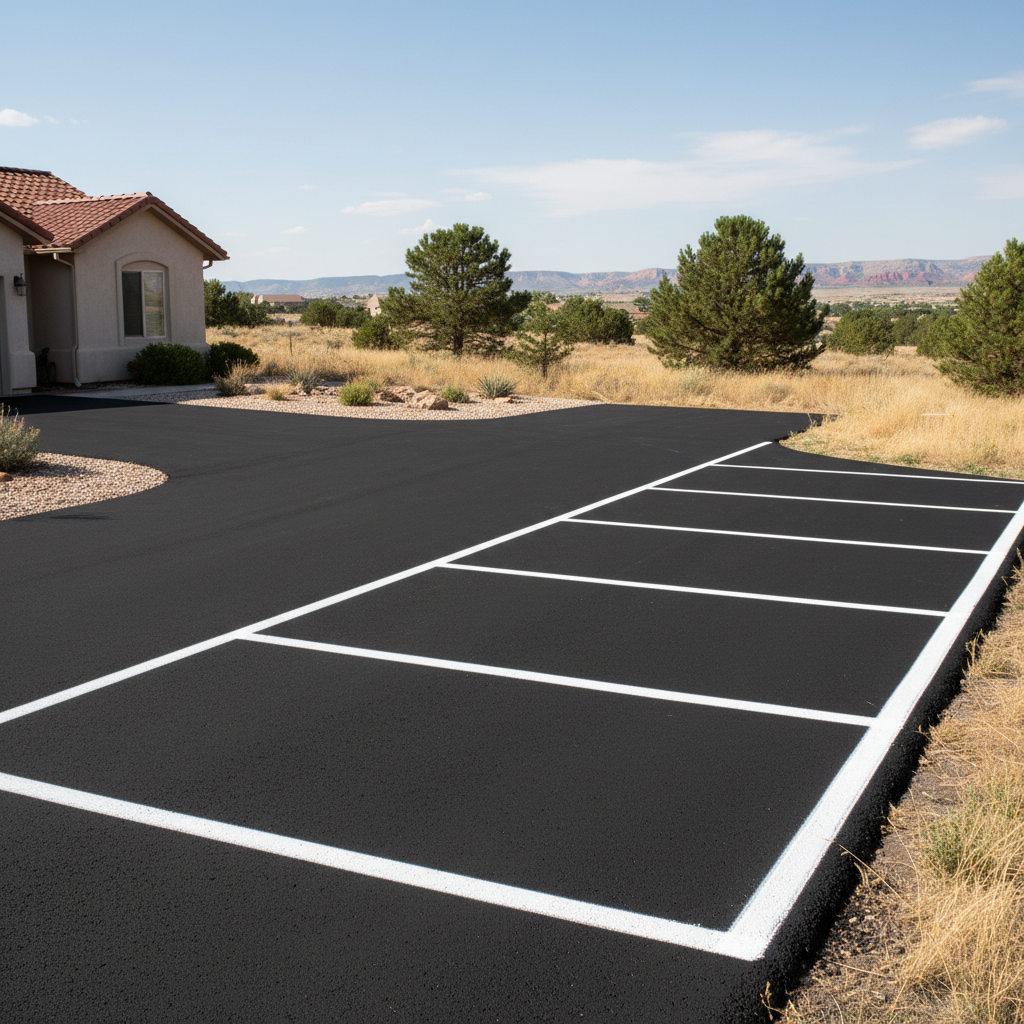
You've invested in professional asphalt striping for your parking lot, sports court, or private road. That's smart. Clear, visible lines aren't just about aesthetics; they're about safety, traffic flow, and making a good first impression. But those lines won't last forever without a little care. Here in Pueblo, with our intense sun and freeze-thaw cycles, you gotta be proactive. Let's talk about how to extend the life of that fresh paint.
Extend the Life of Your Striping
The biggest enemy of fresh striping isn't always traffic; it's the elements. Our high altitude sun here in Colorado is no joke. UV radiation breaks down paint pigments and binders faster than you'd think. Then you've got the temperature swings – hot days, cold nights, especially in spring and fall. That constant expansion and contraction of the asphalt underneath can stress the paint, leading to cracking and peeling.
One of the best things you can do to protect your striping is to keep your asphalt pavement in good shape. If the asphalt itself is cracking, crumbling, or has potholes, the striping on top won't stand a chance. Sealcoating your asphalt every few years can make a huge difference. Not only does it protect the asphalt from UV and water damage, but it also provides a fresh, dark surface that makes new striping pop and helps it adhere better. Think of it as sunscreen for your pavement.
Also, try to keep harsh chemicals off your striped areas. Oil spills, fuel leaks, and even some de-icing agents can degrade the paint over time. Clean them up quickly if they happen.
Regular Maintenance: What It Looks Like
Regular maintenance for striping isn't complicated, but it's important. Mostly, it's about keeping the area clean and clear.
- Sweeping and Cleaning: Dirt, sand, and debris can act like sandpaper under vehicle tires, slowly grinding away at your paint. Regular sweeping, especially after windy days or snowmelt, helps a lot. If you've got a lot of cottonwood trees, like you see around the parks near the Arkansas River, those sticky seeds can leave residue that makes lines look dingy. A good pressure wash (used carefully, not too close) can clean that off.
- Vegetation Control: Weeds and grass poking through cracks in your asphalt around the lines will not only damage the pavement but also obscure your striping. Keep those areas clear.
- Inspect Regularly: Don't just wait until the lines are almost gone. Walk your parking lot or drive once a month, especially after big weather events. Look for changes.
It's like anything else; a little preventative care goes a long way. You wouldn't neglect your car's oil changes, right? Same principle applies here.
Warning Signs of Problems
You don't need to be an expert to spot trouble. Here are some clear signs your striping needs attention:
- Fading: This is the most obvious one. If your bright yellow handicap space lines are looking pale or your parking stall lines are barely visible, it's time. Faded lines are a safety issue, especially at night or in bad weather.
- Cracking or Peeling: If the paint itself is cracking, flaking, or peeling away from the asphalt, that's a sign of poor adhesion or that the paint is just old and brittle. This often happens where the asphalt underneath has started to deteriorate.
- Obscured Lines: Sometimes it's not the paint, but what's on top of it. Heavy dirt buildup, oil stains, or even overgrown weeds can make lines hard to see. While cleaning might help temporarily, if it's a recurring issue, you might need a more durable paint or a different maintenance strategy.
- Uneven Wear: Notice some lines are fading faster than others? Maybe the high-traffic areas are gone, but the edges are still good. This tells you where the most abuse is happening and where you'll need to focus your re-striping efforts.
When to Call a Professional
Look, you can sweep your lot, and you can pick weeds. But when it comes to actual re-striping or fixing underlying asphalt issues, you need a pro. Here's when to pick up the phone:
- Significant Fading or Wear: If more than 25-30% of your lines are noticeably faded or worn, it's time for a refresh. Don't wait until they're completely gone, especially for critical markings like fire lanes or accessible parking.
- Cracking/Peeling Paint: If the paint itself is failing, a professional will know what kind of prep work is needed – maybe a good power wash, or even some light grinding – to ensure the new paint sticks properly and lasts.
- After Asphalt Repair or Overlay: If you've had potholes patched, cracks filled, or a new asphalt overlay installed, all the old lines will be gone or covered. That's a definite call for professional striping.
- Layout Changes: Need to reconfigure your parking lot, add new accessible spaces, or change traffic flow? A professional can help design and execute the new layout efficiently and to code.
- Compliance Issues: If you're getting complaints about unclear markings or if you're concerned about ADA compliance for accessible parking, a professional like Pueblo Asphalt Solutions can ensure everything is up to snuff. We know the local codes and what's required.
Keeping your asphalt striping in good shape isn't just about looking nice; it's about safety and efficiency for everyone who uses your property. A little attention now can save you a lot of headaches and expense down the road.