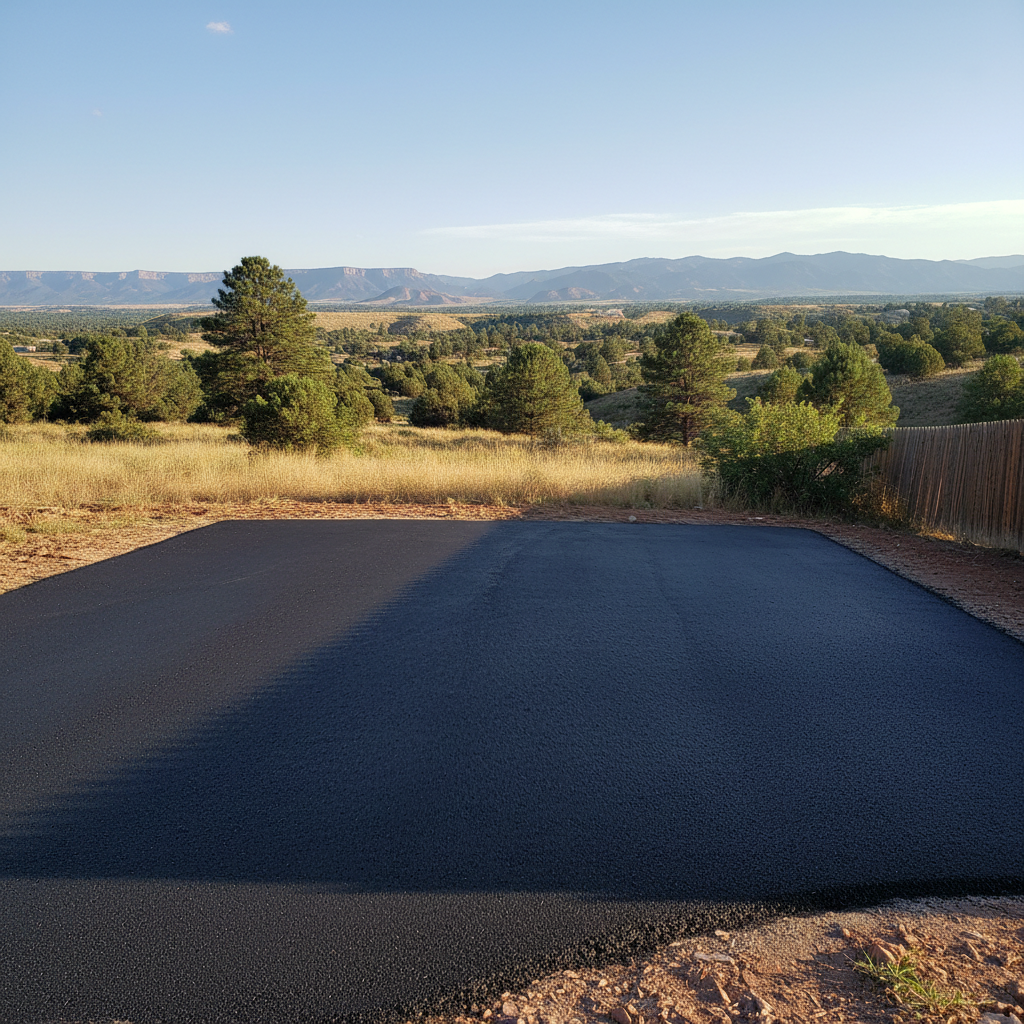
Can a homeowner even use commercial asphalt for their driveway?
Absolutely, you can. It's not just for big parking lots or industrial zones. In fact, for homeowners with long driveways, private roads, or even those who just want something incredibly durable, commercial-grade asphalt can be a really smart choice. Think about those properties out towards Beulah or Rye, with a good stretch of road leading up to the house — commercial asphalt holds up better to heavy traffic, bigger vehicles, and our Pueblo weather extremes. It's built to last, plain and simple.
What's the main difference between residential and commercial asphalt mixes?
The biggest difference comes down to the aggregate size and the binder content. Commercial mixes typically use larger aggregate (the stones and gravel) and a tougher, often higher-grade asphalt binder. This creates a denser, more stable mat that can handle heavier loads and more frequent traffic without rutting or cracking. Residential mixes are usually finer, designed for lighter use. It's like comparing a heavy-duty truck tire to a passenger car tire – both do the job, but one's built for a lot more abuse. Here in Pueblo, with our freeze-thaw cycles and sometimes heavy summer rains, that extra durability can really pay off over the long haul.
Is commercial asphalt more expensive upfront for a homeowner?
Generally, yes, the initial cost per square foot for commercial-grade asphalt can be a bit higher than residential. You're paying for better materials and often a more robust installation process. However, you've got to look at the long-term value. Commercial asphalt is designed to last significantly longer with proper maintenance. That means fewer repairs, less frequent resurfacing, and a much lower total cost of ownership over its lifespan. Sometimes, spending a little more upfront saves you a lot more down the road. It's an investment, not just an expense.
How long does commercial asphalt typically last compared to residential?
With proper installation and regular maintenance, a commercial asphalt surface can easily last 20-30 years, sometimes even longer. Residential asphalt, while still durable, usually has a lifespan of 10-20 years before needing significant repair or replacement. The key here is 'proper maintenance.' Even the toughest commercial asphalt needs sealing every few years and quick attention to any cracks that form. Neglect either, and you're cutting its life short, no matter the grade.
What kind of maintenance does commercial asphalt need from a homeowner?
It's pretty similar to residential asphalt, just maybe a bit less frequent for major interventions. Here's what you'll want to do:
- Keep it clean: Sweep off dirt, leaves, and debris regularly. Don't let oil or gas spills sit – clean them up quickly.
- Sealcoating: This is crucial. I generally recommend sealcoating every 2-4 years. It protects the surface from UV rays, water penetration, and oxidation. It's like sunscreen for your pavement.
- Crack Filling: As soon as you see a crack, fill it. Water is asphalt's worst enemy. If it gets into cracks and freezes, it'll expand and turn a small crack into a big pothole fast.
- Drainage: Make sure water is always draining off the surface and not pooling anywhere. Proper drainage is key to longevity.
We at Pueblo Asphalt Solutions can help you set up a maintenance schedule that makes sense for your specific property.
Will commercial asphalt increase my property value?
A well-maintained, durable driveway or private road definitely adds curb appeal and functionality, which can contribute to your property's overall value. While it's hard to put an exact number on it, a high-quality, long-lasting commercial asphalt surface shows potential buyers that the property has been well-cared for and won't require immediate, expensive repairs. It's a tangible asset that enhances the property's utility and aesthetic, especially for larger lots or homes where the driveway is a significant feature.
Are there any downsides for a homeowner using commercial asphalt?
The main downsides are the higher upfront cost we talked about and potentially a slightly longer installation time due to the heavier equipment and sometimes more extensive base preparation required. Also, because the aggregate is larger, the surface might feel a tiny bit rougher than a very fine residential mix, but it's usually not a noticeable issue for most people. For the vast majority of homeowners who choose it, the benefits of durability and longevity far outweigh these minor drawbacks.
What should I look for in a contractor if I'm considering commercial asphalt?
You need someone who understands both commercial-grade materials and the specific needs of a homeowner. Don't just go with the cheapest bid. Look for a contractor with:
- Experience: They should have a proven track record with commercial projects, not just residential driveways.
- Proper Equipment: Commercial asphalt requires heavier rollers and paving equipment.
- References: Ask for local references, especially from jobs similar to yours.
- Clear Communication: They should be able to explain the process, materials, and timeline clearly.
- Insurance and Licensing: Always verify they're properly licensed and insured to protect yourself.
It's your investment, so do your homework. We've been doing this for years right here in Pueblo, and we're always happy to talk through your options and answer any more questions you've got.