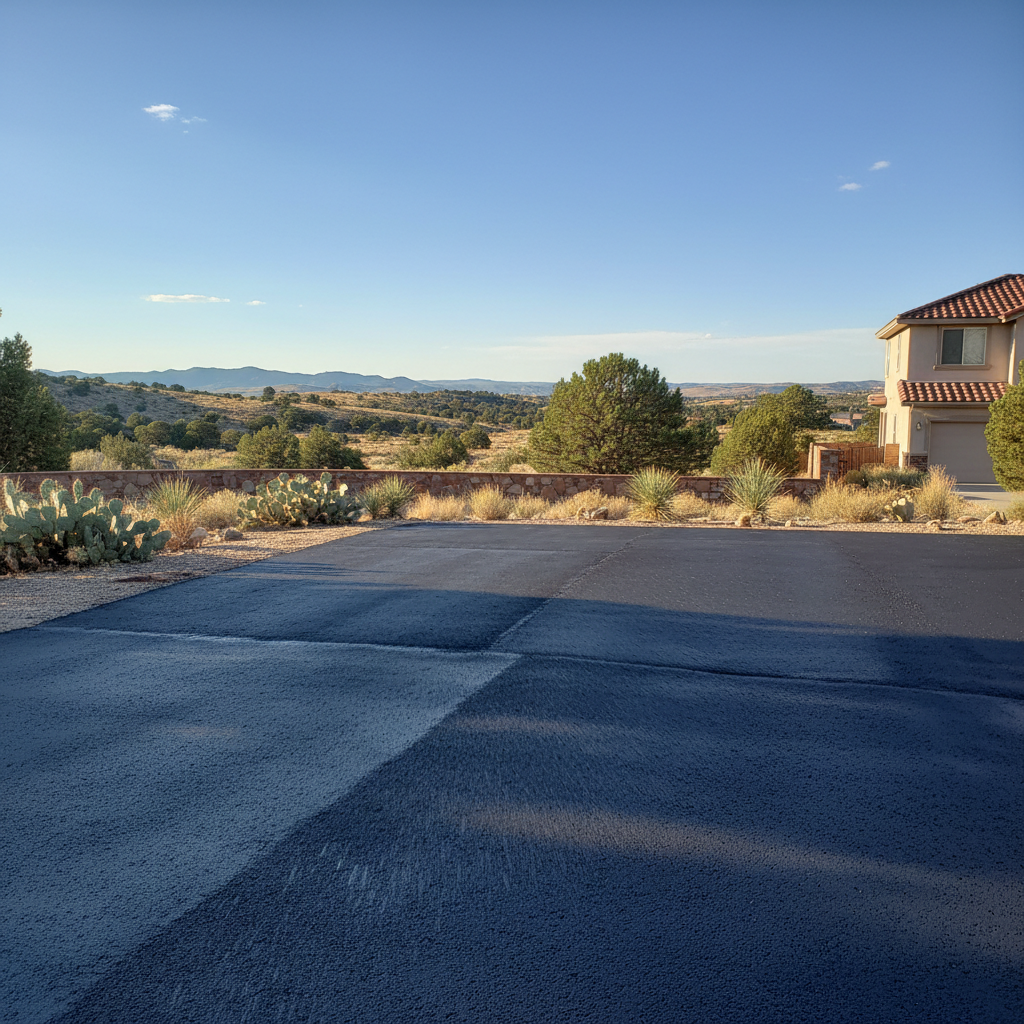
You've invested in getting your asphalt repaired, whether it was a small pothole patch or a larger section of your driveway or parking lot. That's a smart move, but the job isn't truly done once the crew packs up. To get the most out of that repair and avoid needing another one too soon, you've got to take care of it. Think of it like changing the oil in your car; a little regular maintenance goes a long way.
Extending the Life of Your Asphalt Repair
The biggest thing you can do to make your asphalt repair last is to protect it from the elements and heavy stress. In Pueblo, we see some pretty wild temperature swings – from scorching summer days to freezing winter nights. This constant expansion and contraction is tough on asphalt, especially around repair seams.
- Sealcoating is your best friend: Once your repair has cured properly (we'll tell you how long to wait, but it's usually 30-90 days depending on the repair type and weather), get it sealcoated. Sealcoat acts like sunscreen and a protective barrier for your asphalt. It fends off UV rays, water penetration, and even helps resist oil and gas spills. It's not a one-time thing; plan to reapply every 2-3 years, especially with our intense sun here.
- Drainage, drainage, drainage: Water is asphalt's worst enemy. Make sure water isn't pooling on or near your repaired areas. If you've got a low spot where water collects, that's a problem waiting to happen. The freeze-thaw cycles we get in Pueblo will turn that standing water into ice, which expands and can crack your asphalt from the inside out.
- Watch the weight: Try to avoid parking heavy vehicles, like RVs or construction equipment, directly on newly repaired areas for extended periods. Give it time to fully settle and strengthen. Even after it's cured, continuous heavy loads in the same spot can cause rutting or cracking over time.
Regular Maintenance You Can Do Yourself
You don't need to be an asphalt expert to keep an eye on things. A few simple habits can make a big difference.
- Keep it clean: Sweep off dirt, gravel, and debris regularly. This isn't just for looks; loose gravel can get ground into the surface by tires, causing wear, and dirt can hold moisture against the asphalt.
- Address spills immediately: Oil, gas, and other chemicals can break down the asphalt binder. If you see a spill, clean it up quickly with an absorbent material. Don't let it sit and soak in.
- Trim back vegetation: Weeds and grass growing through cracks might seem small, but their roots can widen those cracks over time. Pull them out or use a weed killer.
- Monitor for new cracks: Walk your property once a month, especially after heavy rain or a cold snap. Look for any new hairline cracks forming. Catching these early means a much simpler, cheaper fix down the road.
Warning Signs That Something's Wrong
Your asphalt will tell you when it's having problems if you know what to look for.
- New cracks appearing: Beyond those tiny hairline ones, if you see cracks that are getting wider than a quarter-inch, or if they're starting to spiderweb (alligator cracking), that's a sign of underlying issues.
- Potholes forming: This is an obvious one. A pothole means the surface has failed, and water is getting into the base layer. Don't ignore a small one; they grow fast, especially after a good snowmelt.
- Fading or dull surface: If your asphalt looks gray instead of black, it's likely losing its protective oils and is becoming brittle. This means it's more susceptible to cracking and water damage. This is often a sign you're overdue for sealcoating.
- Soft spots or depressions: If you walk across your asphalt and notice areas that feel spongy, or if you see standing water where there wasn't any before, it could indicate a problem with the base layer or subgrade. This is particularly common in older neighborhoods in Pueblo where the soil might have higher clay content and poor drainage.
When to Call a Professional
Some things are just beyond a DIY fix, and that's okay. Knowing when to call in the pros saves you time, money, and headaches in the long run.
- Extensive cracking: If you've got large areas of alligator cracking, multiple wide cracks, or cracks running the full length of your driveway, it's time to call us. Patching individual cracks might be a temporary fix, but it won't address the underlying structural issue.
- Numerous potholes: A single pothole is one thing, but if you're seeing several pop up, or if they're very large and deep, you likely need more than just a patch.
- Drainage issues: If water is consistently pooling on your asphalt, especially after repairs, a professional can assess the grading and recommend solutions like installing drains or regrading.
- Soft or failing subgrade: If you're seeing significant depressions, rutting, or soft spots, it often means the material beneath your asphalt is failing. This requires specialized equipment and expertise to fix correctly.
- Anytime you're unsure: Honestly, if you're looking at your asphalt and thinking,